

Old Lyme Junk Removal Services
Choose our Junk Removal service for fast, reliable, and eco-friendly solutions that make clearing out your unwanted items easy and hassle-free—so you can enjoy a cleaner, more organized home or business.
Get a Free QuoteOur Old Lyme Landscaping & Yard Care Services
When to Schedule Junk Removal in Old Lyme, Connecticut – Seasonal Guide
In Old Lyme, Connecticut, the best times to schedule junk removal are closely tied to the area’s unique climate and landscape. Spring and early fall are optimal, as the weather is mild and the ground is typically firm, making it easier to access yards and outbuildings. The town’s proximity to the Connecticut River and Long Island Sound means humidity can be high in summer, which may complicate removal of certain materials. Additionally, neighborhoods like Black Hall and Old Lyme Shores often experience dense shade coverage and variable soil types, impacting how and when debris can be safely cleared.
Local environmental factors such as late spring frost dates, the risk of summer drought, and municipal guidelines—especially near landmarks like the Florence Griswold Museum—should all be considered. For more information on local regulations and seasonal recommendations, visit the Town of Sudbury’s resource page.
Local Factors to Consider for Junk Removal in Old Lyme
- Tree density and mature canopy coverage in areas like Mile Creek
- Terrain variations, including rocky soil and sloped lots
- Seasonal precipitation and drainage patterns
- Municipal restrictions on disposal and collection times
- Proximity to wetlands or protected areas
Benefits of Junk Removal in Old Lyme

Efficient Yard Cleanup
Eco-Friendly Disposal
Improved Curb Appeal
Time-Saving Service
Safe Debris Removal
Hassle-Free Scheduling
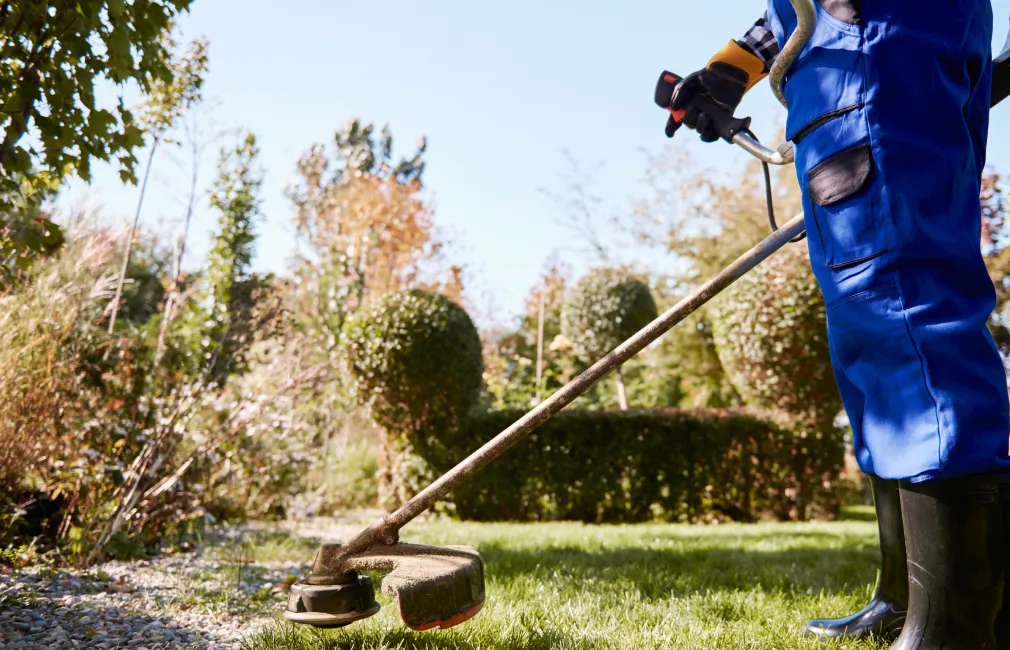
Old Lyme Junk Removal Types

Yard Waste Removal
-
Tree Branch Disposal
-
Sod and Soil Hauling
-
Landscape Debris Cleanup
-
Shrub and Bush Removal
-
Mulch and Rock Removal
-
Garden Structure Disposal
Our Junk Removal Process
Site Evaluation
Customized Plan
Efficient Removal
Responsible Disposal
Final Inspection
Why Choose Old Lyme Landscape Services

-
Old Lyme Homeowners Trust Us
-
Expert Lawn Maintenance
-
Reliable Seasonal Cleanups
-
Competitive Pricing
-
Professional Team
-
Satisfaction Guarantee
-
Personalized Service
Old Lyme’s Department of Public Works: Junk Collection Schedules and Disposal Protocols
Junk removal in Old Lyme is governed by municipal collection schedules and strict disposal protocols to ensure public health and environmental protection. The Department of Public Works manages weekly curbside bulk waste collection, typically scheduled for Thursdays from April through November. Residents must use approved containers—biodegradable bags or 32-gallon bins—for smaller debris, while larger items require advance scheduling. Prohibited materials include hazardous waste, electronics, and construction debris, which must be taken to designated regional facilities. Collection guidelines specify:
- Weekly pickup: Thursday, April–November
- Accepted: Furniture, appliances (with doors removed), brush under 4 feet
- Containers: Biodegradable bags or 32-gallon bins
- Prohibited: Paint, chemicals, electronics, branches over 4 inches diameter
Old Lyme Department of Public Works
52 Lyme Street, Old Lyme, CT 06371
Phone: (860) 434-4959
Official Website: Old Lyme Department of Public Works
Strict adherence to these protocols prevents code violations and supports efficient municipal operations.
Environmental Compliance for Junk Removal Near Old Lyme’s Wetlands and Waterways
Old Lyme’s proximity to the Connecticut River, Black Hall River, and extensive coastal wetlands requires strict compliance with local, state, and federal environmental regulations during junk removal. The Connecticut Environmental Protection Act and the town’s MS4 stormwater permit prohibit dumping or storing debris within 25 feet of wetlands or water bodies. All junk removal activities must maintain buffer zones and prevent runoff into storm drains, as mandated by the Clean Water Act. Key requirements include:
- 25-foot no-disturbance buffer from wetlands
- No debris or clippings in storm drains
- Prohibited disposal within 50 feet of water bodies
- Use of covered vehicles for transport
Old Lyme Conservation Commission
52 Lyme Street, Old Lyme, CT 06371
Phone: (860) 434-1605
Official Website: Old Lyme Conservation Commission
Violations may result in fines and remediation orders from both local and state agencies.
Soil and Site Considerations: Managing Junk Removal on Old Lyme’s Glacial Till and Coastal Sandy Soils
Old Lyme’s predominant soils, including Charlton-Chatfield glacial till and Haven coastal sandy loam, present unique challenges for junk removal. These soils are often rocky, moderately acidic (pH 5.5–6.5), and may be poorly drained, especially in low-lying or wetland-adjacent areas. Heavy equipment used for junk removal must be selected to minimize soil compaction and rutting, particularly after rainfall or during spring thaw. Best practices include:
- Use of tracked vehicles on soft or wet soils
- Avoiding heavy equipment after rain or when soil is saturated
- Placing plywood or mats to distribute weight
- Soil testing for contamination if debris is from older structures
For detailed soil mapping and site-specific recommendations, consult the USDA Web Soil Survey and UConn Extension.
Safety Standards and Equipment Operation for Junk Removal in Old Lyme
Junk removal operations in Old Lyme must comply with municipal noise ordinances and safety standards to protect workers and the public. Equipment operation is permitted during the following hours:
- Monday–Friday: 7:00 AM – 7:00 PM
- Saturday: 8:00 AM – 6:00 PM
- Sunday and holidays: Prohibited
All personnel must use ANSI Z87.1 safety glasses, hearing protection for noise above 85 dB, and steel-toed boots. When working near public roads or in densely populated neighborhoods, high-visibility vests and advance warning signage are required. The Old Lyme Police Department may require traffic control plans for large-scale removals. Maintain a 15-foot clearance from overhead utilities and follow all OSHA standards for lifting and equipment use.
What Neighborhoods Do We Serve Throughout Old Lyme, CT?
- Old Lyme Village: Historic district with narrow streets and mature trees, requiring careful equipment access and adherence to preservation guidelines.
- Black Hall: Proximity to Black Hall River and wetlands necessitates strict buffer compliance and specialized debris containment to prevent runoff.
- Rogers Lake Area: Lakefront properties with sandy soils and seasonal water table fluctuations; access may be limited during wet periods.
- Sound View: Coastal neighborhood with high water table and salt exposure; junk removal must account for stormwater management and beach access regulations.
- Laysville: Suburban area with larger lots and newer developments, often featuring HOA requirements for debris placement and collection timing.
- Mile Creek: Wooded lots with heavy leaf and brush accumulation; steep slopes and private roads may require smaller, low-impact equipment.
- White Sand Beach: Floodplain location with conservation area proximity; strict enforcement of wetland buffers and seasonal access limitations apply.
State and Federal Oversight: Connecticut DEEP, EPA Region 1, and University Extension Resources
Junk removal in Old Lyme is subject to oversight by the Connecticut Department of Energy and Environmental Protection (CT DEEP), which enforces state solid waste and stormwater regulations. The town’s MS4 permit, administered under EPA Region 1, prohibits improper disposal and mandates best management practices to protect water quality. For technical guidance on debris management, soil testing, and environmental compliance, property owners and contractors are encouraged to utilize UConn Extension resources. Key compliance steps include:
- Registering for state permits when required
- Following CT DEEP solid waste and stormwater rules
- Consulting extension services for soil and site management
- Reviewing federal Clean Water Act requirements
Connecticut Department of Energy and Environmental Protection
79 Elm Street, Hartford, CT 06106
Phone: (860) 424-3000
Official Website: Connecticut Department of Energy and Environmental Protection