
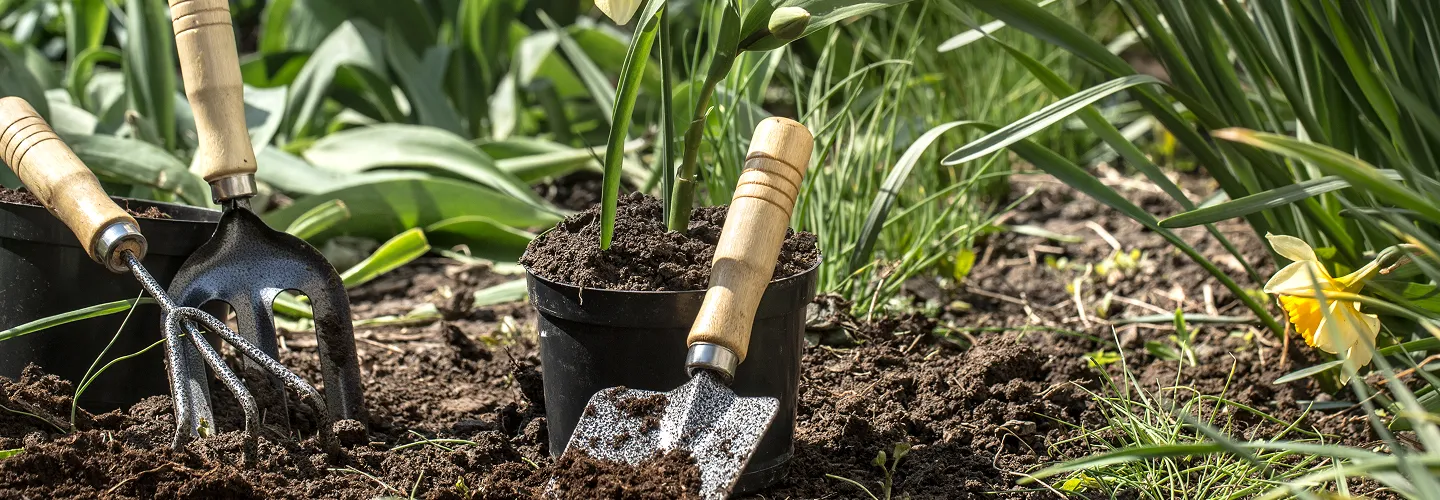
Old Lyme Plant Removal Services
Choose our plant removal services for safe, thorough, and eco-friendly solutions that restore your landscape’s beauty while saving you time and effort.
Get a Free QuoteOur Old Lyme Landscaping & Yard Care Services
When to Schedule Plant Removal in Old Lyme, Connecticut – Seasonal Guide
In Old Lyme, Connecticut, the best time for plant removal is typically during late fall after the first frost or in early spring before new growth begins. The region’s climate, with its cold winters and humid summers, means that scheduling removal outside of peak growing seasons helps minimize regrowth and disturbance to surrounding landscapes. Areas near the Lieutenant River or neighborhoods like Old Lyme Shores often experience higher humidity and shade, which can affect soil moisture and the ease of root extraction.
Local environmental factors such as the risk of late spring frosts, summer droughts, and the sandy soils common near White Sand Beach all play a role in determining the optimal removal window. It’s also important to consider municipal guidelines and any restrictions that may apply—residents can find more information on local regulations through the Town of Sudbury’s website. By understanding these unique local conditions, homeowners can ensure plant removal is both effective and environmentally responsible.
Local Factors to Consider for Plant Removal in Old Lyme
- Tree and shrub density in your yard
- Terrain slope and soil type (e.g., sandy near the shoreline, loamy inland)
- Seasonal precipitation patterns and risk of drought
- Shade coverage from mature trees or nearby structures
- Frost dates and timing of new plant growth
- Municipal restrictions or permit requirements
Benefits of Plant Removal in Old Lyme
Expert Landscaping Team
Efficient Plant Removal
Eco-Friendly Disposal
Improved Curb Appeal
Customized Solutions
Comprehensive Site Cleanup
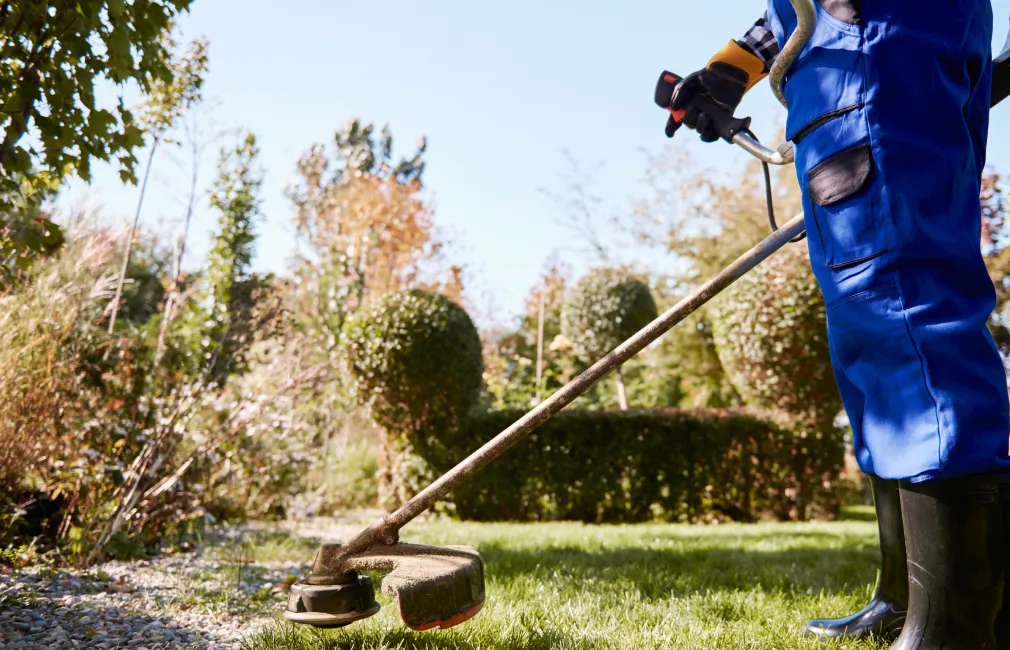
Old Lyme Plant Removal Types

Invasive Species Removal
-
Tree and Shrub Extraction
-
Stump Grinding and Removal
-
Overgrown Brush Clearing
-
Root System Removal
-
Seasonal Plant Cleanup
-
Dead Plant Disposal
Our Plant Removal Process
Site Evaluation
Preparation and Safety Measures
Plant Extraction
Debris Removal
Site Restoration
Why Choose Old Lyme Landscape Services
-
Old Lyme Homeowners Trust Us
-
Expert Lawn Maintenance
-
Reliable Seasonal Cleanups
-
Competitive Pricing
-
Professional Team
-
Satisfaction Guarantee
-
Personalized Service
Old Lyme’s Plant Removal Permitting and Municipal Coordination
Plant removal activities in Old Lyme are subject to specific municipal regulations to ensure public safety, environmental protection, and compliance with local ordinances. Permits are required for the removal of trees over 6 inches in diameter at breast height (DBH) and for any plant removal within 50 feet of designated wetlands or conservation areas. The application fee is typically $50, with a review period of 10 business days. Equipment operation is permitted during the following hours:
- Monday-Friday: 7:00 AM - 7:00 PM
- Saturday: 8:00 AM - 6:00 PM
- Sunday and holidays: Prohibited
All debris must be disposed of through the town’s weekly yard waste collection program, which accepts biodegradable bags or 32-gallon containers. For guidance on permit applications and collection schedules, coordinate with:
Old Lyme Department of Public Works
52 Lyme Street, Old Lyme, CT 06371
Phone: (860) 434-4959
Official Website: Old Lyme Department of Public Works
Soil Series and Site Conditions Affecting Plant Removal in Old Lyme
Old Lyme’s landscape is characterized by glacial till soils, primarily the Charlton-Chatfield and Paxton series, which are moderately acidic (pH 5.5-6.5) and often stony with variable drainage. Coastal areas may feature excessively drained Windsor loamy sands, while inland sites can have poorly drained Ridgebury soils with a seasonal water table at 12-18 inches. These conditions require:
- Soil testing before large-scale removal or replanting
- Use of tracked equipment to minimize compaction on wet or soft soils
- Compost incorporation (2-3 inches tilled to 6-inch depth) to restore organic matter
For detailed soil mapping and recommendations, consult the USDA Web Soil Survey and UConn Extension. Soil amendments such as lime may be necessary for pH correction, especially in forested or wetland-adjacent areas.
Environmental Compliance: Wetlands, Buffer Zones, and Stormwater in Old Lyme
Plant removal near Old Lyme’s extensive wetlands, tidal marshes, and along the Connecticut River is regulated to protect sensitive habitats and water quality. A 25-foot no-disturbance buffer is enforced around all mapped wetlands, and a 50-foot setback is required from the high-water mark of the Lieutenant and Black Hall Rivers. The town’s MS4 stormwater permit, administered under the Clean Water Act, prohibits the disposal of plant debris or soil in storm drains. Key compliance steps include:
- Maintain all buffer distances during removal
- Use silt fencing on slopes or near water bodies
- Schedule work outside of heavy rain events (monitor via National Weather Service)
For regulatory guidance and wetland delineation, contact:
Old Lyme Conservation Commission
52 Lyme Street, Old Lyme, CT 06371
Phone: (860) 434-1605
Official Website: Old Lyme Conservation Commission
Professional Standards and Safety Protocols for Plant Removal in Old Lyme
All plant removal operations in Old Lyme must adhere to professional safety and equipment standards. Operators are required to use:
- Eye protection: ANSI Z87.1 safety glasses
- Hearing protection: Earmuffs or plugs for noise above 85 dB
- Footwear: Steel-toed boots with non-slip soles
- Gloves: Cut-resistant for pruning, chemical-resistant for herbicide use
Maintain a 15-foot clearance from overhead utilities and follow traffic control protocols when working near public roads, including advance warning signage and safety cones. Equipment must be commercial-grade, with mufflers in working order to comply with local noise ordinances. For projects involving large trees or hazardous conditions, coordination with the fire department is recommended:
Old Lyme Fire Department
69 Lyme Street, Old Lyme, CT 06371
Phone: (860) 434-2265
Official Website: Old Lyme Fire Department
What Neighborhoods Do We Serve Throughout Old Lyme, CT?
- Old Lyme Shores: Coastal sandy soils with high drainage rates and salt exposure; plant removal often requires erosion control and compliance with coastal buffer regulations.
- Rogers Lake Area: Mixed forest and residential lots with Paxton and Ridgebury soils; proximity to wetlands and lakefront requires strict buffer adherence and careful debris management.
- Historic District (Lyme Street Corridor): Dense tree canopy, mature landscaping, and historic property protections; removal work may require additional permits and coordination with local commissions.
- Black Hall River Valley: Floodplain soils with seasonal water table fluctuations; access limitations and wetland proximity necessitate specialized equipment and timing.
- Mile Creek: Suburban development with compacted soils and moderate slopes; HOA guidelines and narrow roadways impact equipment access and debris staging.
- White Sand Beach: High water table and sandy soils; removal projects must address groundwater protection and comply with town beach conservation rules.
- Buttonball Road Area: Larger lots with mixed woodland and open space; deer pressure and invasive species are common challenges for plant management.
State and Federal Environmental Regulations Impacting Plant Removal in Old Lyme
Plant removal in Old Lyme must comply with the Connecticut Environmental Protection Act and the town’s MS4 stormwater permit, which are enforced by the Connecticut Department of Energy and Environmental Protection (CT DEEP). These regulations require:
- No fertilizer or herbicide application within 50 feet of water bodies
- Proper disposal of all plant debris to prevent stormwater contamination
- Adherence to state-listed invasive species removal protocols
For technical assistance and regulatory updates, consult:
Connecticut Department of Energy and Environmental Protection
79 Elm Street, Hartford, CT 06106
Phone: (860) 424-3000
Official Website: Connecticut Department of Energy and Environmental Protection
Additional resources are available through EPA Region 1 and UConn Extension for best practices in plant removal, invasive species management, and environmental compliance.