
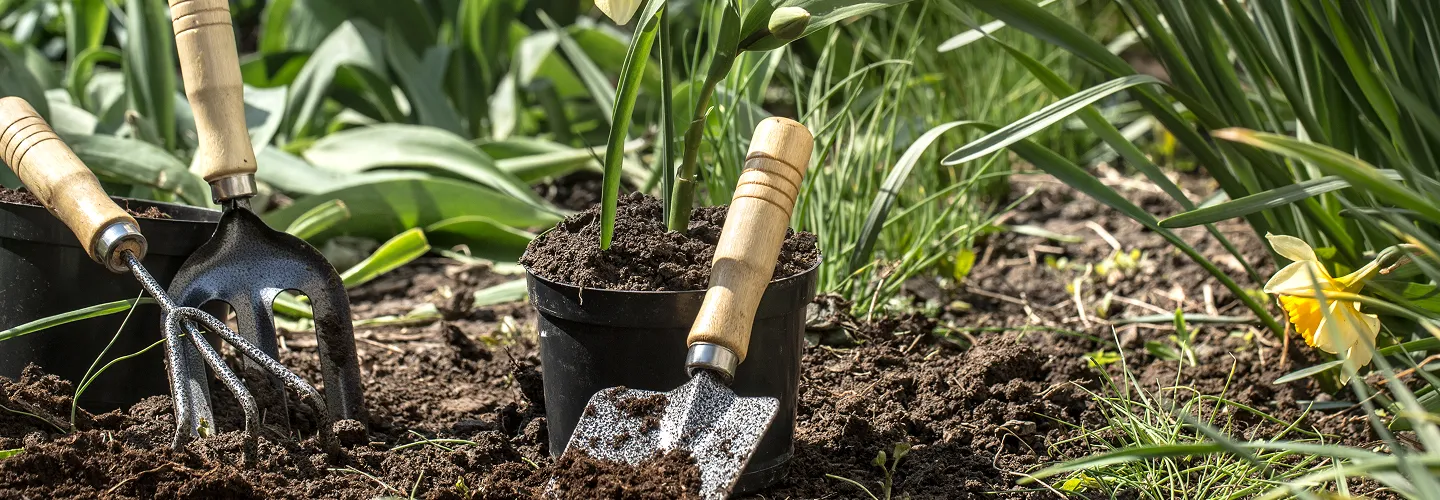
Old Lyme Flower Bed Maintenance Services
Choose our Flower Bed Maintenance for expert care that ensures your blooms stay healthy, weed-free, and beautiful—giving you a stunning landscape without the hassle.
Get a Free QuoteOur Old Lyme Landscaping & Yard Care Services
When to Schedule Flower Bed Maintenance in Old Lyme, Connecticut – Seasonal Guide
In Old Lyme, Connecticut, the best times for flower bed maintenance are closely tied to our unique shoreline climate and the rhythms of the Connecticut River Valley. Spring maintenance should begin after the last frost, typically in late April, when soil temperatures rise and perennials start to emerge. This is the ideal window for mulching, pruning, and soil amendment, especially in neighborhoods like Old Lyme Shores or near the Florence Griswold Museum, where microclimates can vary due to proximity to water and mature tree cover. Summer brings increased humidity and occasional drought risk, so ongoing weeding and irrigation checks are essential, particularly in shaded areas or properties with clay-heavy soils.
Fall is another critical period, as preparing beds before the first hard frost (usually late October) helps protect root systems and ensures vibrant blooms next season. Local environmental factors—such as the sandy soils near White Sand Beach, or the dense shade in the Ferry Road area—require tailored approaches. For more information on local climate patterns and gardening resources, visit the Sudbury, MA municipal site.
Local Factors to Consider for Flower Bed Maintenance in Old Lyme
- Proximity to the shoreline and salt exposure
- Tree density and shade coverage (e.g., in Old Lyme Village)
- Soil type: sandy near beaches, clay in inland neighborhoods
- Average precipitation and risk of summer drought
- Frost dates and seasonal temperature swings
- Municipal restrictions on water usage or pesticide application
- Terrain slope and drainage patterns
Benefits of Flower Bed Maintenance in Old Lyme
Enhanced Curb Appeal
Weed and Pest Prevention
Healthier Plant Growth
Seasonal Color Management
Professional Expertise
Time and Effort Savings
Old Lyme Flower Bed Maintenance Types

Seasonal Flower Planting
-
Weed Control Services
-
Mulching and Soil Conditioning
-
Pruning and Deadheading
-
Fertilization Programs
-
Pest and Disease Management
-
Edging and Bed Redefining
Our Flower Bed Maintenance Process
Site Evaluation
Weed Removal
Soil Preparation
Plant Care
Mulching
Why Choose Old Lyme Landscape Services
-
Old Lyme Homeowners Trust Us
-
Expert Lawn Maintenance
-
Reliable Seasonal Cleanups
-
Competitive Pricing
-
Professional Team
-
Satisfaction Guarantee
-
Personalized Service
Old Lyme’s Glacial Till Soils and Drainage Considerations for Flower Bed Maintenance
Flower bed maintenance in Old Lyme requires careful attention to the town’s predominant glacial till soils, which are typically classified as Inceptisols and Ultisols according to the USDA Web Soil Survey. These soils are often rocky, moderately acidic (pH 5.5–6.5), and can exhibit poor drainage, especially in low-lying or compacted areas. Proper soil amendment is essential for healthy flower beds:
- Conduct a soil test through UConn Extension (typical cost: $15–25)
- Apply lime if pH is below 6.0
- Incorporate 2–3 inches of compost tilled to a 6-inch depth
- Address drainage by installing raised beds or French drains where seasonal water tables are within 12–18 inches of the surface Coordination with the municipal Department of Public Works is recommended for guidance on drainage improvements and soil management.
Old Lyme Department of Public Works
52 Lyme Street, Old Lyme, CT 06371
Phone: (860) 434-4959
Official Website: Old Lyme Department of Public Works
Seasonal Timing and Weather Guidance for Flower Bed Care in Old Lyme
Old Lyme’s USDA Hardiness Zone 6b–7a and proximity to Long Island Sound create a unique microclimate with cool springs and moderate summers. The optimal window for most flower bed maintenance tasks, including mulching, perennial division, and planting, is April 15–June 10 (soil temperature 50–65°F). Fall clean-up and bulb planting should occur September 15–October 31, before the first frost (typically late October). For weather-specific scheduling, consult the National Weather Service New York, NY office, which provides local forecasts and frost advisories. Key timing recommendations:
- Spring mulching: April 15–May 15
- Perennial division: May 1–June 1
- Fall bulb planting: September 15–October 15
- Avoid heavy work during June–August heat stress periods Monitoring local weather patterns helps prevent soil compaction and plant stress during maintenance activities.
Municipal Regulations and Buffer Requirements for Flower Beds Near Old Lyme Wetlands
Properties in Old Lyme adjacent to wetlands, streams, or conservation areas must comply with local and state environmental regulations. The Connecticut Environmental Protection Act and the town’s Conservation Commission require a minimum 25-foot no-disturbance buffer from delineated wetlands for any soil disturbance or planting. Additional requirements include:
- No fertilizer or pesticide application within 50 feet of water bodies
- Maintain vegetative buffers to reduce runoff
- Obtain a permit for any grading or excavation within regulated areas (application fee: $50; review time: 10 business days)
- Prohibit dumping of yard waste or clippings in wetland zones These measures support compliance with the Clean Water Act and Old Lyme’s MS4 stormwater permit. For site-specific guidance, contact the Conservation Commission.
Old Lyme Conservation Commission
52 Lyme Street, Old Lyme, CT 06371
Phone: (860) 434-1605
Official Website: Old Lyme Conservation Commission
Plant Selection for Old Lyme Flower Beds: Native and Deer-Resistant Species
Selecting appropriate plant species is critical for sustainable flower bed maintenance in Old Lyme. Given the region’s moderately acidic, rocky soils and frequent deer browsing, the following recommendations are advised:
- Full sun: Black-eyed Susan (Rudbeckia hirta), purple coneflower (Echinacea purpurea), daylily (Hemerocallis spp.)
- Partial shade: Coral bells (Heuchera americana), astilbe (Astilbe spp.), hosta (Hosta spp.)
- Deer resistant: Lavender (Lavandula angustifolia), Russian sage (Perovskia atriplicifolia), salvia (Salvia nemorosa)
- Native options: Wild bergamot (Monarda fistulosa), Joe Pye weed (Eutrochium purpureum), cardinal flower (Lobelia cardinalis) Spacing should be 12–24 inches depending on mature plant size. For further guidance, consult UConn Extension for regionally adapted plant lists and diagnostic support.
What Neighborhoods Do We Serve Throughout Old Lyme, CT?
- Old Lyme Village: Historic district with mature trees, compacted soils, and smaller lots requiring careful root zone protection and compliance with local preservation guidelines.
- Black Hall: Coastal area with sandy soils, high water table, and salt exposure; flower beds here benefit from raised designs and salt-tolerant species.
- Rogers Lake: Lakeside properties with poorly drained soils and proximity to wetlands; strict buffer enforcement and drainage management are essential.
- South Lyme: Larger lots, mixed woodland and open areas, frequent deer activity, and variable soil pH; deer-resistant and native plantings are recommended.
- White Sand Beach: Dense development, limited access, and sandy soils; irrigation and soil amendment are often necessary for successful flower beds.
- Halls Road Corridor: Commercial and mixed-use area with urban fill soils, higher compaction, and increased runoff; stormwater compliance and soil remediation are priorities.
- Point O’Woods: Private beach community with HOA landscaping standards, sandy soils, and salt spray; plant selection and maintenance must meet both environmental and association requirements.