
Old Lyme Weeding Services
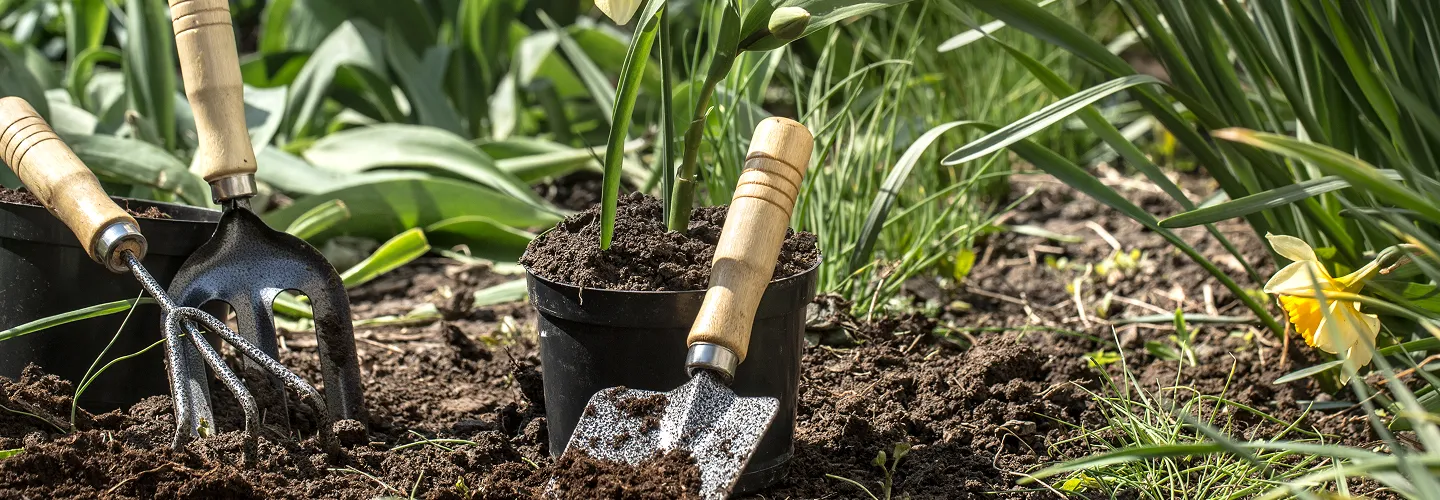
Choose our professional weeding services for thorough, reliable weed removal that keeps your landscape beautiful, healthy, and free from unwanted growth all season long.
Get a Free QuoteOur Old Lyme Landscaping & Yard Care Services
When to Schedule Weeding in Old Lyme, Connecticut – Seasonal Guide
In Old Lyme, Connecticut, the best times to schedule weeding are closely tied to the region’s unique climate and landscape. Early spring, just after the last frost, is ideal for tackling emerging weeds before they establish deep roots. This timing is especially important in neighborhoods near the Connecticut River and Rogers Lake, where higher humidity and rich, loamy soils can accelerate weed growth. Late summer and early fall are also strategic periods, as cooler temperatures and increased rainfall can trigger a new flush of weeds, particularly in shaded yards around Old Lyme Village and the Ferry Road area.
Local environmental factors play a significant role in determining the optimal weeding schedule. For example, properties with dense tree coverage in the Mile Creek and Shore Road neighborhoods may experience persistent shade and dampness, fostering moss and shade-loving weeds. Conversely, areas prone to drought or sandy soils, such as those near White Sand Beach, may require more frequent monitoring during dry spells. Homeowners should also be aware of municipal guidelines and seasonal restrictions, which can be found on the Town of Sudbury’s website, to ensure compliance with local landscaping ordinances.
Local Factors to Consider for Weeding in Old Lyme
- Tree density and shade coverage (e.g., Mile Creek, Ferry Road)
- Soil type: loamy near rivers, sandy near beaches
- Frost dates and seasonal temperature shifts
- Precipitation patterns and drought risk
- Proximity to wetlands or water bodies
- Municipal landscaping restrictions and guidelines
Benefits of Weeding in Old Lyme
Enhanced Curb Appeal
Healthier Plant Growth
Reduced Pest Infestation
Improved Soil Quality
Increased Property Value
Professional and Reliable Service
Old Lyme Weeding Types

Hand Weeding
-
Mechanical Weeding
-
Mulching for Weed Control
-
Pre-Emergent Herbicide Application
-
Post-Emergent Herbicide Application
-
Flame Weeding
-
Soil Solarization
Our Weeding Process
Site Evaluation
Weed Identification
Targeted Removal
Soil Treatment
Final Inspection
Why Choose Old Lyme Landscape Services
-
Old Lyme Homeowners Trust Us
-
Expert Lawn Maintenance
-
Reliable Seasonal Cleanups
-
Competitive Pricing
-
Professional Team
-
Satisfaction Guarantee
-
Personalized Service
Managing Weeding in Old Lyme’s Glacial Till and Coastal Sandy Soils
Weeding practices in Old Lyme must account for the town’s predominant soil types, which include glacial till (rocky, moderately acidic, often poorly drained) and coastal sandy soils (well-drained, low organic matter). According to the USDA Web Soil Survey, these soils typically have a pH range of 5.5-6.5, requiring careful selection of soil amendments and weed management strategies. For effective weed removal, it is recommended to:
- Conduct soil testing every 2-3 years (available through UConn Extension; typical cost $15-25)
- Apply lime if pH is below 6.0
- Incorporate 2-3 inches of compost to a 6-inch depth for improved soil structure
- Use mulching to suppress annual weeds and retain soil moisture
These practices help maintain healthy turf and garden beds while minimizing the need for chemical controls.
Old Lyme’s Municipal Yard Waste Collection and Weeding Debris Disposal
Proper disposal of weeding debris in Old Lyme is regulated by the Department of Public Works. Yard waste collection occurs weekly on Thursdays from April through November. Residents must use biodegradable bags or reusable bins (32-gallon maximum); plastic bags and branches over 4 inches in diameter are prohibited. Accepted materials include:
- Weeds, leaves, and grass clippings
- Brush under 4 feet in length
- Small twigs and garden debris
Improper disposal, such as placing debris in storm drains, is prohibited under the town’s MS4 permit and the Clean Water Act. For questions about collection schedules or disposal requirements:
Old Lyme Department of Public Works
52 Lyme Street, Old Lyme, CT 06371
Phone: (860) 434-4959
Official Website: Old Lyme Department of Public Works
Environmental Compliance: Wetland Buffers and Stormwater Protection in Old Lyme
Old Lyme’s proximity to the Connecticut River, Black Hall River, and extensive wetlands requires strict adherence to environmental regulations during weeding activities. The town enforces a 25-foot no-disturbance buffer from all designated wetlands, as overseen by the Conservation Commission. No herbicides or fertilizers may be applied within 50 feet of water bodies. Key compliance steps include:
- Maintain 25-foot buffer from wetlands for all weeding and soil disturbance
- Prevent debris and soil from entering storm drains
- Use only EPA-registered products for weed control
These requirements align with the Connecticut Environmental Protection Act and the town’s MS4 stormwater permit. For guidance on buffer zones and protected areas:
Old Lyme Conservation Commission
52 Lyme Street, Old Lyme, CT 06371
Phone: (860) 434-1605
Official Website: Old Lyme Conservation Commission
Equipment Operation Hours and Safety Standards for Weeding in Old Lyme
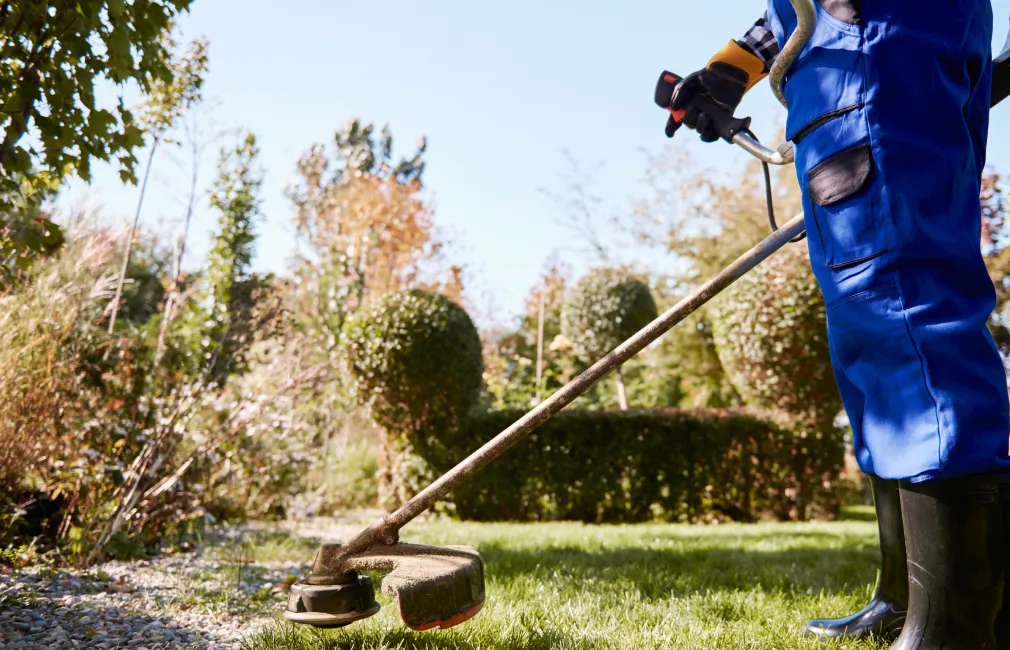
Weeding operations in Old Lyme are subject to municipal noise ordinances and safety protocols. Equipment such as string trimmers and mowers may be operated during the following hours:
- Monday-Friday: 7:00 AM - 7:00 PM
- Saturday: 8:00 AM - 6:00 PM
- Sunday and holidays: Prohibited
Operators must use commercial-grade equipment with functioning mufflers and maintain noise levels below 85 decibels at property lines. Required personal protective equipment (PPE) includes:
- ANSI Z87.1 safety glasses
- Hearing protection for noise above 85 dB
- Steel-toed boots and cut-resistant gloves
For questions regarding equipment standards or noise regulations:
Old Lyme Building Department
52 Lyme Street, Old Lyme, CT 06371
Phone: (860) 434-1605
Official Website: Old Lyme Building Department
Optimal Weeding Timing for Old Lyme’s Coastal Climate and Growing Season
Old Lyme is located in USDA Hardiness Zone 6b-7a, with a growing season typically from mid-April to late October. The National Weather Service NWS Gray/Portland Office provides local frost dates and weather alerts. For effective weed management:
- Begin spring weeding after soil temperatures reach 50°F (usually mid-April)
- Target perennial weeds before flowering (April-May)
- Conduct major weeding again in late August-September before fall seed set
- Avoid soil disturbance during heavy rain events to prevent erosion
Monitoring local weather and soil conditions is essential for timing weeding activities and minimizing environmental impact.
What Neighborhoods Do We Serve Throughout Old Lyme, CT?
- Old Lyme Shores: Coastal sandy soils with rapid drainage and salt exposure require frequent weeding and salt-tolerant plant selection.
- Black Hall: Proximity to the Black Hall River and wetlands necessitates strict buffer compliance and careful debris management.
- Rogers Lake Area: Mixed woodland and lakefront properties face challenges with invasive species and require erosion control during weeding.
- Historic District (Lyme Street): Older landscapes with compacted glacial till soils and mature plantings demand hand weeding and minimal soil disturbance.
- Point O’Woods: Dense development and small lots require adherence to noise ordinances and efficient debris containment.
- Halls Road Corridor: Commercial and mixed-use areas with high foot traffic require regular maintenance and compliance with public safety standards.
- White Sand Beach: Floodplain location and proximity to conservation areas require specialized weeding protocols and stormwater protection measures.